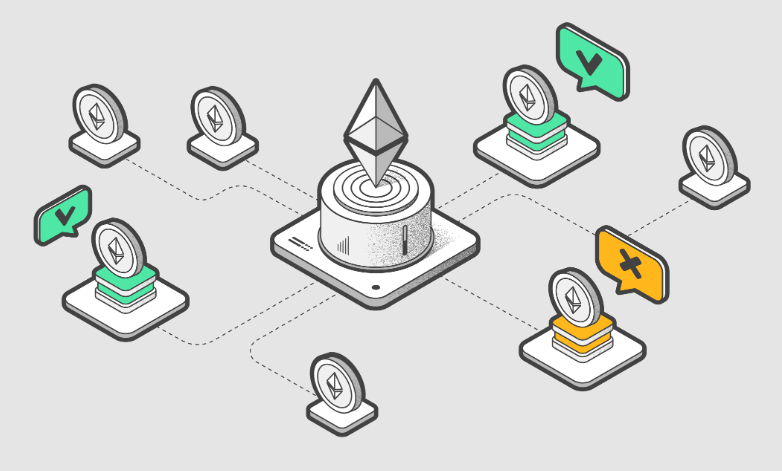
Crypto governance proposals formalize how changes to a protocol are suggested, debated, and enacted. They clarify eligibility, submission, and initiation processes, and map on-chain and off-chain evaluation criteria. Proposals rely on reproducible data, verifiable signals, and transparent debate to assess impact and incentives. Token-weighted voting translates proposals into action with verifiable tallies and participation rights. The balancing act is reproducibility, transparency, and inclusive deliberation, leaving stakeholders with a path to consider next steps.
What Governance Proposals Are and Why They Matter
Governance proposals are formal mechanisms by which stakeholders suggest changes to a cryptocurrency protocol or ecosystem, encompassing rules, parameters, and processes that affect future development and operation.
They enable transparent deliberation, documentation, and testing of potential shifts.
The measure of effectiveness lies in proposal impact, revealing how changes alter incentives and performance.
Governance clarity ensures consistency, predictability, and broad participation across decentralized communities.
See also: journalanchor
Who Can Submit Proposals and How the Process Starts
Submitting governance proposals is not limited to a single group within a crypto ecosystem; eligibility varies by project but generally includes stakeholders such as token holders, validators, developers, and designated community groups.
The process begins with defined preconditions, documented channels, and formal criteria, guiding proposal submission and proposal initiation.
Data-driven timelines, roles, and thresholds establish transparent startup points for community-driven governance initiatives.
How Proposals Are Debated and Evaluated On- Vs Off-Chain
How proposals are debated and evaluated on- versus off-chain hinges on where deliberation occurs, what participants can influence outcomes, and how evidence is weighed. The analysis compares on-chain forums, formal reviews, and off chain debate, emphasizing transparent criteria, reproducible data, and observable consensus signals. Key terms include proposal evaluation and off chain debate, guiding disciplined assessment without centralized gatekeeping.
How Voting Works and What Token Holders Should Know
Voting processes in crypto governance translate proposals into actionable outcomes through token-weighted ballots, timestamped records, and verifiable tallies.
This section outlines proposal mechanics, detailing how votes are tallied, thresholds applied, and timing windows declared.
Token holder rights are defined, including participation eligibility, veto mechanisms, and transparency expectations.
The goal is clarity, enabling informed, autonomous engagement within decentralized decision ecosystems.
Frequently Asked Questions
How Are Governance Proposals Funded and Who Pays for It?
Proposals are funded by funding sources such as protocol treasuries, grants, or community pools; donors may also contribute. Funding influences decision making processes and budgeting. The payer mix varies, with contributors often ensuring decentralized, transparent governance while preserving stakeholder freedom.
What Happens if a Proposal Fails to Pass?
When a proposal fails to pass, proposal failure impact includes limited funding use, with recovery pathways and appeal mechanisms explored; to sustain governance, sustainability funding and expiration timelines are set, monitoring voting integrity, conflict detection, and stakeholder participation remain central.
Can Users Appeal a Rejected Proposal Decision?
Yes, users can appeal a rejected proposal through an established appeal process. The process emphasizes governance transparency, documents criteria, timelines, and evidence review, ensuring freedom-minded participants access verifiable data to support accountability and continuous improvement.
Do Proposals Expire After a Certain Period, and Why?
Proposals do expire after a period; this ensures governance costs are bounded and funding sources remain focused, preventing stagnation. Expiration rationale: maintain voting integrity, deter failed proposals consequences, and support conflict detection, appeal processes, and proposal longevity for vibrant governance.
How Are Conflicts of Interest Detected in Governance Voting?
Conflict of interest detection relies on disclosure, audits, and independent review. Governance transparency, funding mechanisms, and proposal outcomes are monitored; expiration timelines and appeal processes ensure accountability, while data-driven metrics reveal alignment with principles and identify potential conflicts.
Conclusion
In crypto governance, proposals bloom from diverse inputs, yet must pass through disciplined channels. On-chain signals offer verifiable momentum; off-chain debate reveals nuance and context. Juxtaposing speed with scrutiny, rapid voting can misfire without reproducible data, while slow deliberation may stifle innovation. The balance—transparent, token-weighted tallies paired with accessible rationale—ensures decisions reflect broad participation and align with incentives. Ultimately, structured, evidence-based processes turn proposals into predictable, responsible protocol evolution.