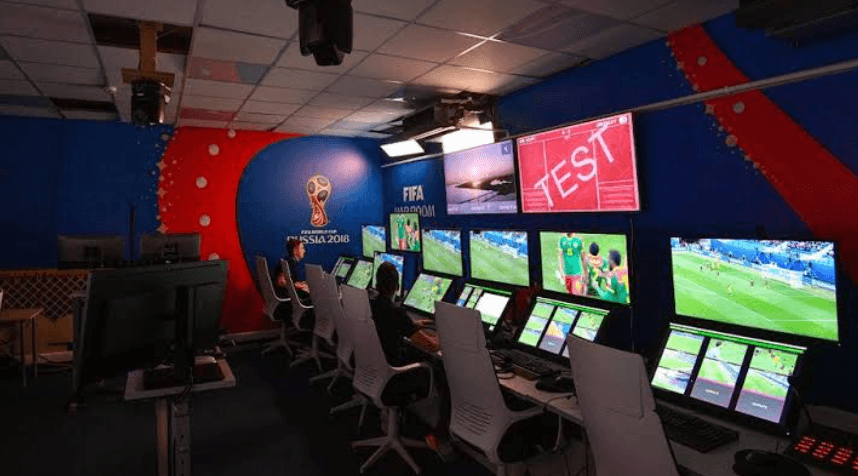
VAR changed the emotional rhythm of watching sport. A goal is no longer accepted only because the ball hits the net. A penalty decision may pause the whole stadium. Viewers wait for replay angles, referee signals, lines on the screen, and a clear confirmation before the match moves forward.
This habit has moved beyond football. People now expect live digital screens to explain what is happening while it happens. In real-time entertainment, including desi live casino formats, the same expectation appears through visible video, readable table status, timely prompts, and interface signals that help users follow the moment without confusion.
VAR Made the Process Part of the Event
Before video review became familiar, many sports decisions felt immediate and final. VAR added a visible layer between the action and the result. The audience sees that a moment is being checked, understands that more than one angle may matter, and waits for a signal that resolves the pause.
This does not remove disagreement. Fans can still debate a call for hours. Yet the screen gives them a process to follow. That process matters because trust grows when viewers can see more than the final outcome.
Live platforms can learn from this shift. A clear screen should not leave users guessing why something changed, why a prompt appeared, or what action is available next.
Live dealer screens need clear status signals
Live dealer platforms operate in a different category, but they share the same pressure of real-time visibility. Users follow people, objects, timing, prompts, and interface controls at once. A screen that hides too much context can feel uncertain, even when the stream itself is stable.
Good status signals help users understand the moment quickly. These may include:
- Table phase or current round status.
- Clear action prompts.
- Visible countdowns when timing matters.
- Readable labels for table options.
- Simple feedback after a user action.
The purpose is not to fill the screen with labels. The purpose is to make every signal earn its space.
Camera angles carry trust
VAR depends on camera logic. The audience needs the right angle to understand a possible foul, offside line, handball, or goal-line moment. A poor angle can create more doubt than clarity.
Live dealer screens also depend on camera placement. The main action should remain visible. Supporting areas should be easy to read. The viewer should not have to search the screen for basic context.
A stable camera view can make the experience feel calmer. Fast cuts, crowded overlays, or decorative movement may look energetic, but they can weaken understanding. In live formats, clarity is often stronger than spectacle.
Timing decides whether information helps
A visible process works only when information appears at the right time. In sport, a review graphic after the decision has already moved on feels late. A signal before viewers understand the reason for the pause can feel incomplete.
Live dealer interfaces need the same timing discipline. Prompts should appear when the user can act. Status changes should match the live video. Feedback should arrive quickly enough to confirm that the screen is current.
Poor timing creates doubt. Users may wonder whether the video is delayed, whether a prompt is still valid, or whether their action was received. Strong timing keeps attention on the live moment instead of the system behind it.
Transparency should not become clutter
There is a difference between showing enough and showing everything. VAR can frustrate viewers when the screen becomes overloaded with technical lines, repeated angles, or long pauses without useful context. The same risk exists in live digital platforms.
A transparent interface should choose information carefully. The main action deserves priority. Support details should explain the moment, not compete with it. Controls should remain accessible without covering the video.
Clean structure builds confidence because users can understand the screen in seconds. When every part has a clear role, the platform feels more reliable.
The trust screen standard
Visible processes are becoming part of modern live entertainment. Sports broadcasts, streaming apps, and live dealer platforms all face the same user expectation: show the moment clearly, explain changes quickly, and keep control easy to understand.
The best live screens will not win trust through louder graphics or heavier visual effects. They will win it through order. A clear camera view, timely prompts, readable status signals, and calm interface behavior can turn a live screen into something users can follow with confidence.